Cabinet Painting

How to Refinish Cabinets Without Removing Doors

Modesto Cabinet Painters

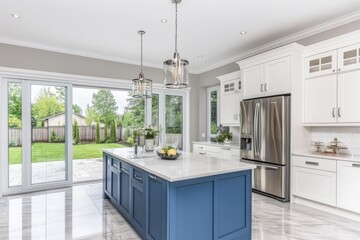
Refinishing cabinets is a great way to instantly transform the appearance of a room. It saves homeowners thousands of dollars as opposed to buying new cabinetry. The process can be time consuming, but with proper prep and the right products it can be done efficiently without stripping or sanding.

Thoroughly cleaning cabinet doors is an essential step to ensuring the stain or paint you apply will adhere properly. Start with a degreaser and scrub the surface thoroughly. Contact Modesto Cabinet Painters for more details.

Clean the Cabinets

It’s important to regularly clean your cabinets to prevent build-up of food, stains, and bacteria. Keeping your cabinetry clean will also help to keep it looking and smelling fresh. To avoid damaging your wood cabinetry, you should only use cleaning solutions that are safe for your cabinet finish and surface materials. Avoid harsh chemicals and abrasive cleaners, which can scratch or damage surfaces and leave behind residue. Instead, use natural cleaning products such as vinegar or a mild dish soap, and always test any cleaning solution on an inconspicuous area of your cabinetry to ensure that it won’t damage the finish.

Start with a good dusting to remove any loose dirt, crumbs, or other debris. Then, use a damp microfiber cloth to wipe down the cabinets and doors. Make sure to dry off any excess moisture afterward to prevent mold and mildew. Avoid using too much water, as this can cause warping and discolor the wood over time.

If your cabinets are heavily soiled, try a 1:1 mixture of cool water and white vinegar in a spray bottle. Mist the cabinets and allow them to sit for about 60 seconds. Then, wipe down the surface with a microfiber cloth and repeat until all surfaces are clean. If you are unable to remove stubborn stains with a vinegar solution, you can try a commercial ink stain removal product. Always follow the manufacturer’s instructions and test any chemical solution on an inconspicuous area of the cabinet first to ensure that it won’t discolor the finish.

You can also use a mild wood furniture wax to protect your cabinets and keep them looking and feeling new. Be sure to apply a thin coat once a year.

To make it easier to keep your cabinets clean and pristine, consider investing in a set of custom-fitted drawer liners. You can place a liner in each drawer to catch spills, food particles, and crumbs, ensuring that the rest of your cabinetry stays clean and hygienic.

Sand the Surfaces

While the old school method of removing cabinet doors and drawers before painting or refinishing can make the job faster, it is expensive and time-consuming. Additionally, it increases the chances of dinging or damaging your cabinetry during the process. Instead, you can save money and time by sanding the surfaces without removing them. However, if you plan to use a coarse-grit sandpaper, you will need to clean the surfaces thoroughly and tape off any hardware.

It’s important to sand the surface with the right grit size to remove any scratches, chips, and dents that may have occurred over time. Over-sanding, however, can damage the surfaces and create an uneven finish. For this reason, it’s important to sand gently and carefully to ensure a high-quality result.

Once the cabinets have been sanded, you should apply a coat of high-adhesion primer to all surfaces. This will help the paint bond well to the surface, ensuring a smooth and even appearance. Moreover, it will reduce the likelihood of stains or tannins seeping through and affecting the final results.

When applying the primer, be sure to spray it evenly across the entire surface area. It’s also a good idea to apply at least three coats of the primer to achieve maximum coverage.

After the primer has dried, you can start refinishing your cabinetry using a high-quality kitchen cabinet coating such as NAPCO Essentials Kitchen Renew Cabinet Coating. This product comes ready to use out of the bottle and requires no mixing, has low VOC levels, and can be tinted to any color.

After spraying, you should take the opportunity to check the alignment of all the hinges and handles to ensure they open and close properly. It’s a good idea to keep a small amount of paint on hand to touch up any minor imperfections as they occur over time. Regular touch-ups will help preserve the look of your refinished cabinets and extend their life.

The cost of refinishing your cabinetry will vary based on the size and scope of the project, as well as the materials you choose. To ensure you get the best possible result, hiring a professional is a good option. A local refinishing professional will have years of experience and access to specialized tools and products that can provide a superior finish.

Prime the Surfaces

Refinishing cabinets is a great way to update the look of your kitchen or bathroom without spending a fortune. But it’s also a process that requires extensive training, the right products, and a ton of experience. By completing NAPCO cabinet refinishing training, you’ll learn how to do the job quickly and easily, without stripping or sanding! This includes learning to tape and mask properly, which saves you a lot of time in the long run. The results will be much better, too. You’ll be amazed at the difference it makes! So why not get started now? You won’t regret it!

Apply the Topcoat

Cabinets are one of the most visible features in a kitchen, and they can make or break a room’s aesthetic. By learning how to apply a top coat, homeowners can refresh their cabinets, enhancing their beauty and adding durability that stands up to the splatters and spills of daily life.

Before applying the top coat, it is important to thoroughly clean and inspect the cabinets for damage or wear. If necessary, a degreaser or mild soap and water can be used to remove grease, oil, and other residues that may prevent the coating from adhering properly. It is also recommended to lightly sand the surfaces of the cabinets after cleaning to ensure that they are smooth and even.

After the cabinet surface is clean, dry, and sanded, it is time to begin applying the top coat. The best way to do this is by using an airless sprayer with a nozzle size of 3/16 inch and a pressure setting between 60 and 85 pounds per square inch (psi). NAPCO’s Essentials Kitchen Renew Cabinet Coatings are designed to be applied without the use of primer, as they have a built-in primer, are low VOC, and contain very little odor.

During the application process, it is important to use long, even strokes to minimize drips and streaks. It is also recommended to apply a second coat, if needed, after the first one has dried, following the manufacturer’s recommended drying times. After the top coat has dried, it is important to reattach the hardware and take a step back to admire your work.

Refinishing cabinets is a big job, but with the right products and proper techniques, it can be done quickly and easily. By following these tips, homeowners can learn how to refinish their cabinets like professionals without the hassle of removing doors and drawers. Contact a NAPCO Certified refinishing professional for more information about how to get started with refinishing your cabinets! This is a project that will provide lasting results and will be worth the effort in the end.
Room Addition

Room Addition in Home Remodeling: Expanding Your Space Without Moving

Room Addition

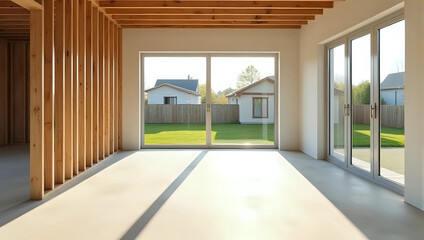
At some point, many homeowners begin to feel that their house no longer fits their lifestyle. A growing family, a new remote job, or the need for extra comfort can make existing rooms feel cramped and limited. Moving to a new home is one option, but it comes with emotional and financial costs. A room addition in home remodeling offers an alternative that allows you to expand your living space while staying in the home you already love. With careful planning and thoughtful design, a room addition can transform both functionality and value.

Understanding the process and considerations behind a room addition helps homeowners approach the project with clarity and confidence. Get more information from J&R Construction.

Why Consider a Room Addition Instead of Moving

When space becomes tight, homeowners often debate between relocating and remodeling. A room addition allows you to remain in a familiar neighborhood, maintain established routines, and avoid the expenses associated with buying and selling property.

Beyond convenience, a room addition provides customization. Instead of adapting to another home’s layout, you can design a new space tailored to your specific needs. Whether it is a larger living room, a home office, or an additional bedroom, the new space reflects your lifestyle.

Choosing a room addition in home remodeling often delivers both practical and emotional benefits.

Types of Room Additions for Different Needs

Room additions come in many forms depending on the purpose and available space. Some homeowners add bedrooms to accommodate a growing family, while others create dedicated home offices to support remote work. Expanding a kitchen or building a sunroom are also common choices.

In certain cases, a second story addition may be considered when yard space is limited. This option involves more complex structural planning but can significantly increase square footage.

Understanding the type of addition that best suits your goals is an important first step in the remodeling journey.

Planning and Designing Your Room Addition

The planning stage is critical for a successful room addition in home remodeling. It begins with evaluating the existing structure and determining how the new space will integrate with the current layout. The addition should feel cohesive rather than separate or disconnected.

Design considerations include ceiling height, window placement, and traffic flow. Natural light, ventilation, and access to utilities must also be factored into the plan. Architectural consistency ensures that the exterior appearance of the home remains balanced.

Thorough design planning helps prevent costly adjustments later in the process.

Budgeting for a Room Addition

Cost is one of the most important aspects of any remodeling project. Room additions involve materials, labor, permits, and possible structural modifications. Establishing a realistic budget helps maintain financial stability throughout the project.

Expenses vary depending on the size of the addition, the complexity of construction, and the finishes selected. Structural work, foundation extensions, and roofing integration can increase costs significantly.

Including a contingency fund for unexpected issues such as hidden damage or required code upgrades ensures smoother financial management.

Structural and Foundation Considerations

A room addition must be supported by a strong and stable foundation. Extending the existing foundation requires careful engineering to ensure that the new structure integrates seamlessly with the old one.

Structural considerations also include load bearing walls, roof alignment, and insulation. Proper framing and reinforcement maintain the safety and durability of the home.

Addressing these structural elements early in the planning process ensures long term stability.

Electrical, Plumbing, and HVAC Integration

Adding a new room often requires extending electrical, plumbing, and heating systems. Proper integration ensures that the addition functions comfortably and efficiently.

Electrical wiring must meet safety codes and provide adequate outlets and lighting. If the room addition includes a bathroom or kitchenette, plumbing installation becomes more complex. Heating and cooling systems may need adjustment to maintain consistent temperature throughout the home.

Professional coordination of these systems ensures reliable performance and comfort.

Permits and Building Code Compliance

Room additions typically require permits and inspections to ensure compliance with local building codes. Regulations may address structural safety, fire protection, and energy efficiency standards.

Securing necessary approvals before construction begins prevents delays and legal complications. Code compliance not only ensures safety but also supports future resale value.

Navigating the permitting process with professional guidance helps streamline the project.

Maintaining Aesthetic Consistency

One of the challenges of a room addition in home remodeling is maintaining visual harmony. The new space should blend seamlessly with the existing architecture. Matching exterior materials, roof lines, and window styles contributes to a cohesive appearance.

Interior design elements such as flooring, trim, and paint colors should also complement the original home. A well integrated addition enhances overall aesthetics and prevents the space from feeling like an afterthought.

Attention to detail ensures that the new room feels like a natural extension of the home.

Managing Construction and Minimizing Disruption

Construction for a room addition can temporarily disrupt daily routines. Noise, dust, and limited access to certain areas are common during the building process.

Clear communication and organized scheduling help minimize inconvenience. Preparing the home and setting realistic expectations supports a smoother experience.

While temporary disruption is unavoidable, effective project management keeps the process moving efficiently.

Increasing Property Value and Long Term Benefits

A well executed room addition adds significant value to a home. Additional square footage increases market appeal and enhances functionality. Buyers often view extra bedrooms, expanded living areas, or dedicated workspaces as desirable features.

Beyond financial benefits, a room addition improves quality of life. Extra space reduces overcrowding and provides flexibility for changing needs.

Investing in a thoughtful addition strengthens both the home’s utility and its long term value.

Avoiding Common Mistakes in Room Additions

Successful room additions require careful attention to detail. Common mistakes include underestimating costs, neglecting structural requirements, or failing to integrate design elements properly.

Working with experienced professionals helps prevent these issues. Thorough planning and realistic budgeting ensure that expectations align with outcomes.

Avoiding shortcuts and focusing on quality leads to a more satisfying result.

Conclusion

A room addition in home remodeling offers homeowners the opportunity to expand their living space without leaving the comfort of their current home. Through careful planning, structural evaluation, and thoughtful design, an addition can enhance both functionality and aesthetic appeal.

While the process involves budgeting, permits, and construction coordination, the rewards are significant. Increased space, improved comfort, and higher property value make room additions a worthwhile investment. By approaching the project with preparation and professional guidance, homeowners can transform their house into a space that better supports their evolving lifestyle.