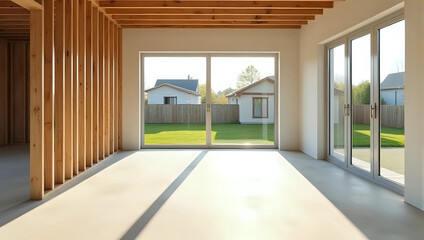
At some point, many homeowners begin to feel that their house no longer fits their lifestyle. A growing family, a new remote job, or the need for extra comfort can make existing rooms feel cramped and limited. Moving to a new home is one option, but it comes with emotional and financial costs. A room addition in home remodeling offers an alternative that allows you to expand your living space while staying in the home you already love. With careful planning and thoughtful design, a room addition can transform both functionality and value.
Understanding the process and considerations behind a room addition helps homeowners approach the project with clarity and confidence. Get more information from J&R Construction.
Why Consider a Room Addition Instead of Moving
When space becomes tight, homeowners often debate between relocating and remodeling. A room addition allows you to remain in a familiar neighborhood, maintain established routines, and avoid the expenses associated with buying and selling property.
Beyond convenience, a room addition provides customization. Instead of adapting to another home’s layout, you can design a new space tailored to your specific needs. Whether it is a larger living room, a home office, or an additional bedroom, the new space reflects your lifestyle.
Choosing a room addition in home remodeling often delivers both practical and emotional benefits.
Types of Room Additions for Different Needs
Room additions come in many forms depending on the purpose and available space. Some homeowners add bedrooms to accommodate a growing family, while others create dedicated home offices to support remote work. Expanding a kitchen or building a sunroom are also common choices.
In certain cases, a second story addition may be considered when yard space is limited. This option involves more complex structural planning but can significantly increase square footage.
Understanding the type of addition that best suits your goals is an important first step in the remodeling journey.
Planning and Designing Your Room Addition
The planning stage is critical for a successful room addition in home remodeling. It begins with evaluating the existing structure and determining how the new space will integrate with the current layout. The addition should feel cohesive rather than separate or disconnected.
Design considerations include ceiling height, window placement, and traffic flow. Natural light, ventilation, and access to utilities must also be factored into the plan. Architectural consistency ensures that the exterior appearance of the home remains balanced.
Thorough design planning helps prevent costly adjustments later in the process.
Budgeting for a Room Addition
Cost is one of the most important aspects of any remodeling project. Room additions involve materials, labor, permits, and possible structural modifications. Establishing a realistic budget helps maintain financial stability throughout the project.
Expenses vary depending on the size of the addition, the complexity of construction, and the finishes selected. Structural work, foundation extensions, and roofing integration can increase costs significantly.
Including a contingency fund for unexpected issues such as hidden damage or required code upgrades ensures smoother financial management.
Structural and Foundation Considerations
A room addition must be supported by a strong and stable foundation. Extending the existing foundation requires careful engineering to ensure that the new structure integrates seamlessly with the old one.
Structural considerations also include load bearing walls, roof alignment, and insulation. Proper framing and reinforcement maintain the safety and durability of the home.
Addressing these structural elements early in the planning process ensures long term stability.
Electrical, Plumbing, and HVAC Integration
Adding a new room often requires extending electrical, plumbing, and heating systems. Proper integration ensures that the addition functions comfortably and efficiently.
Electrical wiring must meet safety codes and provide adequate outlets and lighting. If the room addition includes a bathroom or kitchenette, plumbing installation becomes more complex. Heating and cooling systems may need adjustment to maintain consistent temperature throughout the home.
Professional coordination of these systems ensures reliable performance and comfort.
Permits and Building Code Compliance
Room additions typically require permits and inspections to ensure compliance with local building codes. Regulations may address structural safety, fire protection, and energy efficiency standards.
Securing necessary approvals before construction begins prevents delays and legal complications. Code compliance not only ensures safety but also supports future resale value.
Navigating the permitting process with professional guidance helps streamline the project.
Maintaining Aesthetic Consistency
One of the challenges of a room addition in home remodeling is maintaining visual harmony. The new space should blend seamlessly with the existing architecture. Matching exterior materials, roof lines, and window styles contributes to a cohesive appearance.
Interior design elements such as flooring, trim, and paint colors should also complement the original home. A well integrated addition enhances overall aesthetics and prevents the space from feeling like an afterthought.
Attention to detail ensures that the new room feels like a natural extension of the home.
Managing Construction and Minimizing Disruption
Construction for a room addition can temporarily disrupt daily routines. Noise, dust, and limited access to certain areas are common during the building process.
Clear communication and organized scheduling help minimize inconvenience. Preparing the home and setting realistic expectations supports a smoother experience.
While temporary disruption is unavoidable, effective project management keeps the process moving efficiently.
Increasing Property Value and Long Term Benefits
A well executed room addition adds significant value to a home. Additional square footage increases market appeal and enhances functionality. Buyers often view extra bedrooms, expanded living areas, or dedicated workspaces as desirable features.
Beyond financial benefits, a room addition improves quality of life. Extra space reduces overcrowding and provides flexibility for changing needs.
Investing in a thoughtful addition strengthens both the home’s utility and its long term value.
Avoiding Common Mistakes in Room Additions
Successful room additions require careful attention to detail. Common mistakes include underestimating costs, neglecting structural requirements, or failing to integrate design elements properly.
Working with experienced professionals helps prevent these issues. Thorough planning and realistic budgeting ensure that expectations align with outcomes.
Avoiding shortcuts and focusing on quality leads to a more satisfying result.
Conclusion
A room addition in home remodeling offers homeowners the opportunity to expand their living space without leaving the comfort of their current home. Through careful planning, structural evaluation, and thoughtful design, an addition can enhance both functionality and aesthetic appeal.
While the process involves budgeting, permits, and construction coordination, the rewards are significant. Increased space, improved comfort, and higher property value make room additions a worthwhile investment. By approaching the project with preparation and professional guidance, homeowners can transform their house into a space that better supports their evolving lifestyle.